


 PT

Anthropic’s recent leap reveals a new phase for connectors and flips the logic of digital assistants. Work has changed, and now we are the ones who need to work better and prepare the tools.
By José Brito, founder of Pupa Educação Digital, professor at the AI Lab of Colégio MOPI and director of JEDUCA, the Brazilian Association of Education Journalists.
A study published in Management Science, from the Wharton School at the University of Pennsylvania, brought new indicators and a broader perspective for those who work with education, technology, communication and team training.
Professor Prasanna Tambe’s study analyzed more than a decade of job postings and professional profiles at US public companies and found that, as early as 2016, two thirds of the jobs requiring algorithmic skills were not in IT but in business, health, marketing and management. Companies see more value in AI when algorithmic knowledge is spread among field professionals instead of concentrated in technical departments.
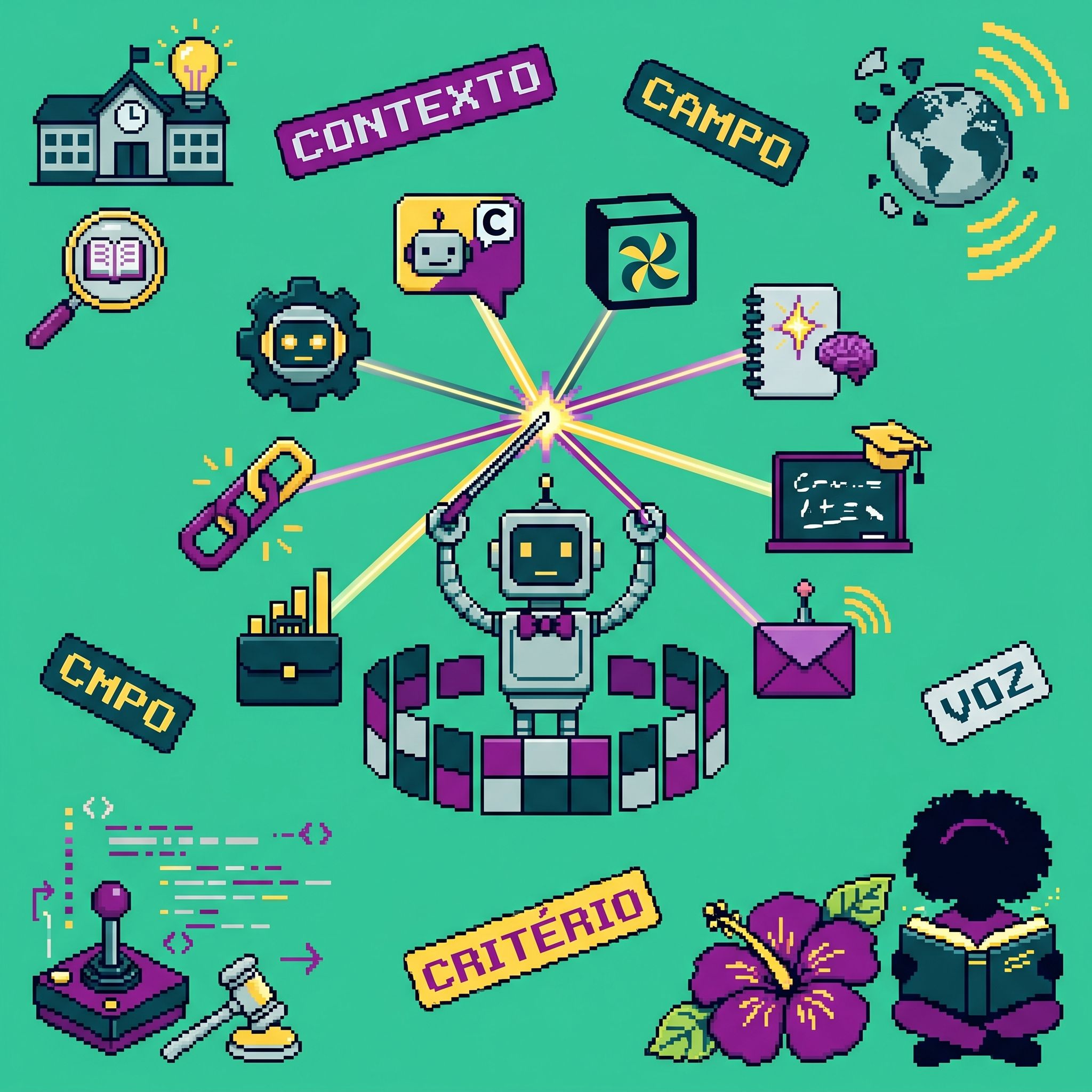
Quote of the week
“What determines the quality of what you deliver with AI is how much you know about your own field.”
Cris Bartis, journalist and host of the Mamilos podcast, in episode #556 on agentic AI. Free translation from Portuguese.
Connecting the dots and what else is in Radar Pupa issue 29
- Festival LED: school, imagination and critical thinking in post-truth times
- DCN Global launches a YouTube series on disinformation in the digital age
- A BBC Brasil journalist turns Brazil’s Access to Information Law into a game
- Vibe coding: when programming became conversation and what that changes in education
- Digital skills and the new wave that challenges human authenticity
Reading tip
Purple Hibiscus, by Chimamanda Ngozi Adichie.
At Pupa, this topic is part of PUPA MAX, for companies, teams and institutions.
Read the full issue 29 on Radar Pupa (in Portuguese)
Radar Pupa is José Brito’s weekly newsletter on learning with AI, digital culture and the future of work. Subscription is free.
This post was prepared and reviewed with AI automations by Claude Cowork, based on José Brito’s original issue on Substack.