


 PT
PT
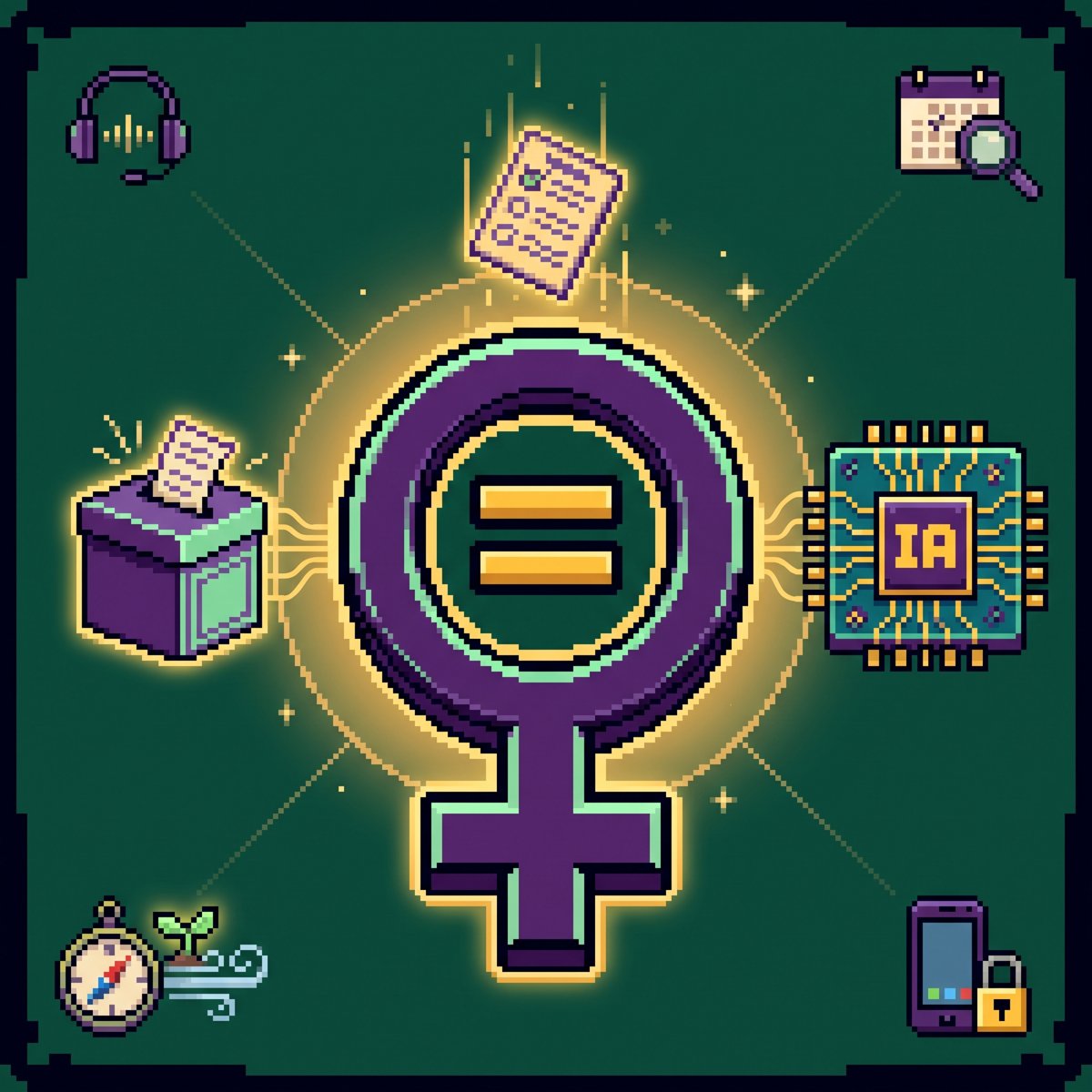
One in four offensive images posted on X against women candidates shows signs of artificial intelligence, according to the MonitorA observatory. On the eve of the first round, gender-based violence returns to the center of the debate on technology, education and democracy.
By José Brito, founder of Pupa Educação Digital, teacher at the AI Lab at Colégio MOPI and director of JEDUCA, the Brazilian Association of Education Journalists.
In 2025, the Brazilian Public Security Forum recorded 1,568 femicides in the country, an average of four women killed per day. Women make up 52.8% of the electorate and 34.85% of the candidacies registered with the Superior Electoral Court, and yet profiles with more than a million followers questioning women’s right to vote, guaranteed in Brazil since 1932, circulate on social media.
In this edition of Radar Pupa, the starting point is the conversation about masculinities and the role of schools, families and journalism in preventing violence against girls and women, on and off screen.
Quote of the week
“A violent home is a world apart. […] That world is never a story so simple to sum up.”
Nathacha Appanah, author of Night in the Heart (Noite no coração), in an excerpt read by journalist Cris Fibe (free translation).
Also in this edition
- Pedagogical intent, AI infrastructure and teacher training in a new podcast series from Brazil’s Ministry of Education
- Registration open for the 4th Brazilian Media Literacy Week, November 4 to 10
- Digital distraction, outsourcing to AI and extreme weather at the center of Todos Pela Educação’s debate on learning
- WhatsApp launches new parental control tools
Reading tip
Noite no coração (Night in the Heart), by Nathacha Appanah (Bazar do Tempo, 2026). The novel follows three women who tried to escape violent partners, and only one survived to tell the story.
Read the full edition 43 on Substack
Radar Pupa is José Brito’s weekly newsletter, in Portuguese, on learning with AI, digital culture and the future of work. Subscription is free.