


 PT
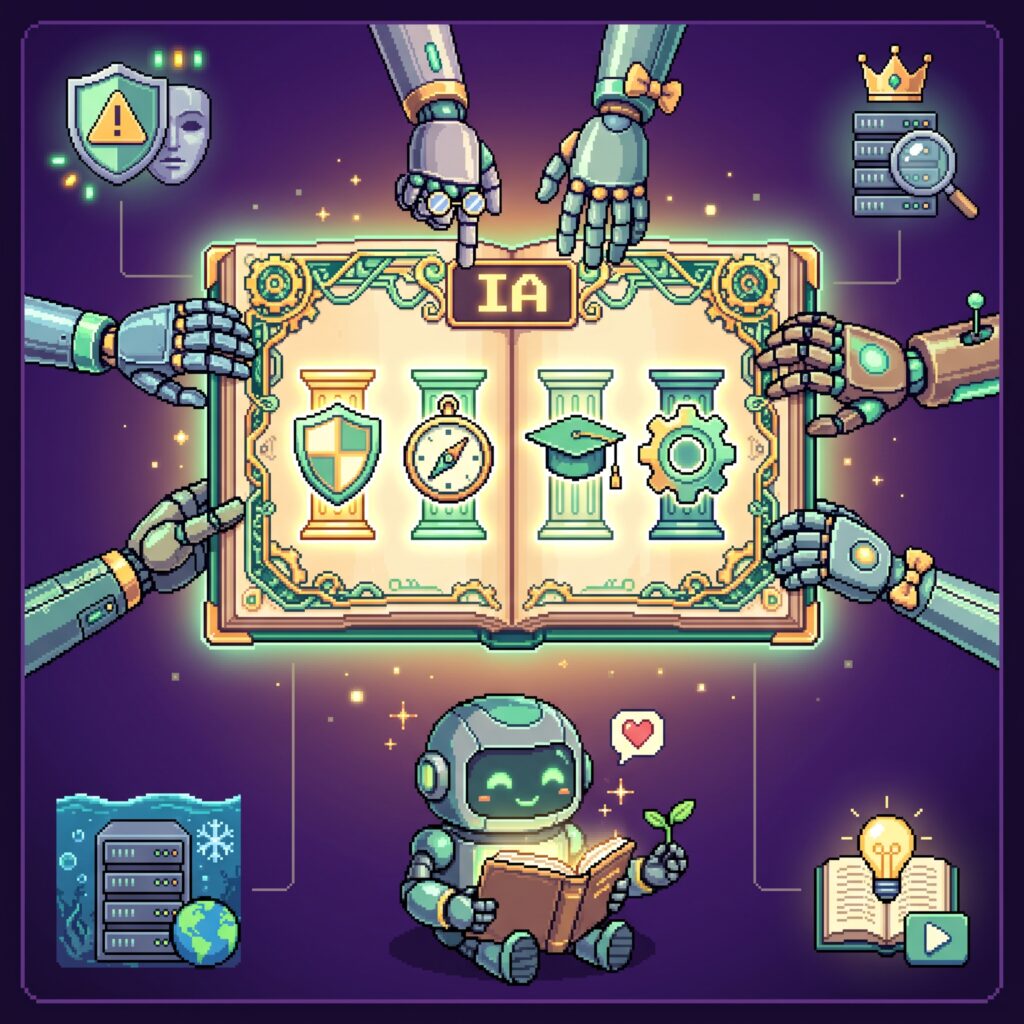
An initiative at Colégio MOPI brings digital education into the curriculum and explores citizenship and the future of work.
By José Brito, founder of Pupa Educação Digital, professor at the AI Lab of Colégio MOPI and director of JEDUCA, the Brazilian Association of Education Journalists.
A student who pastes the assignment prompt into ChatGPT. A family full of questions about what is going on in the school’s WhatsApp group. The teacher who dreams of preparing wonderful lessons with AI but has no idea where to start. Scenes like these are part of many people’s routine, and they are steadily pushing society into exploratory territory with artificial intelligence, digital assistants, their risks, opportunities and consequences.
I am part of this ride. I am a father, a journalist and a teacher. Since the beginning of this year I have been living, in person and in the classroom, the misadventures of life with technology alongside middle and high school students. These are not new problems: they are the latest version of the tensions that Brazil’s Internet Civil Rights Framework tried to address some years ago, that the country’s data protection law regulated more recently, and that the Digital Child and Adolescent Statute and the Education Ministry’s new frameworks for the use of AI in education have now placed in front of us. All of it at once, with the car already moving. Nothing to it.
Quote of the week
“Learning is, above all, an act of humanity. We do not simply want to use AI: we want the whole community to understand how it works, what it can do and what it will never be able to replace — curiosity, independent thinking and the ability to make meaning in life.”
André Ferreira — coordinator of middle and high school (grades 6 to 12) at Colégio MOPI.
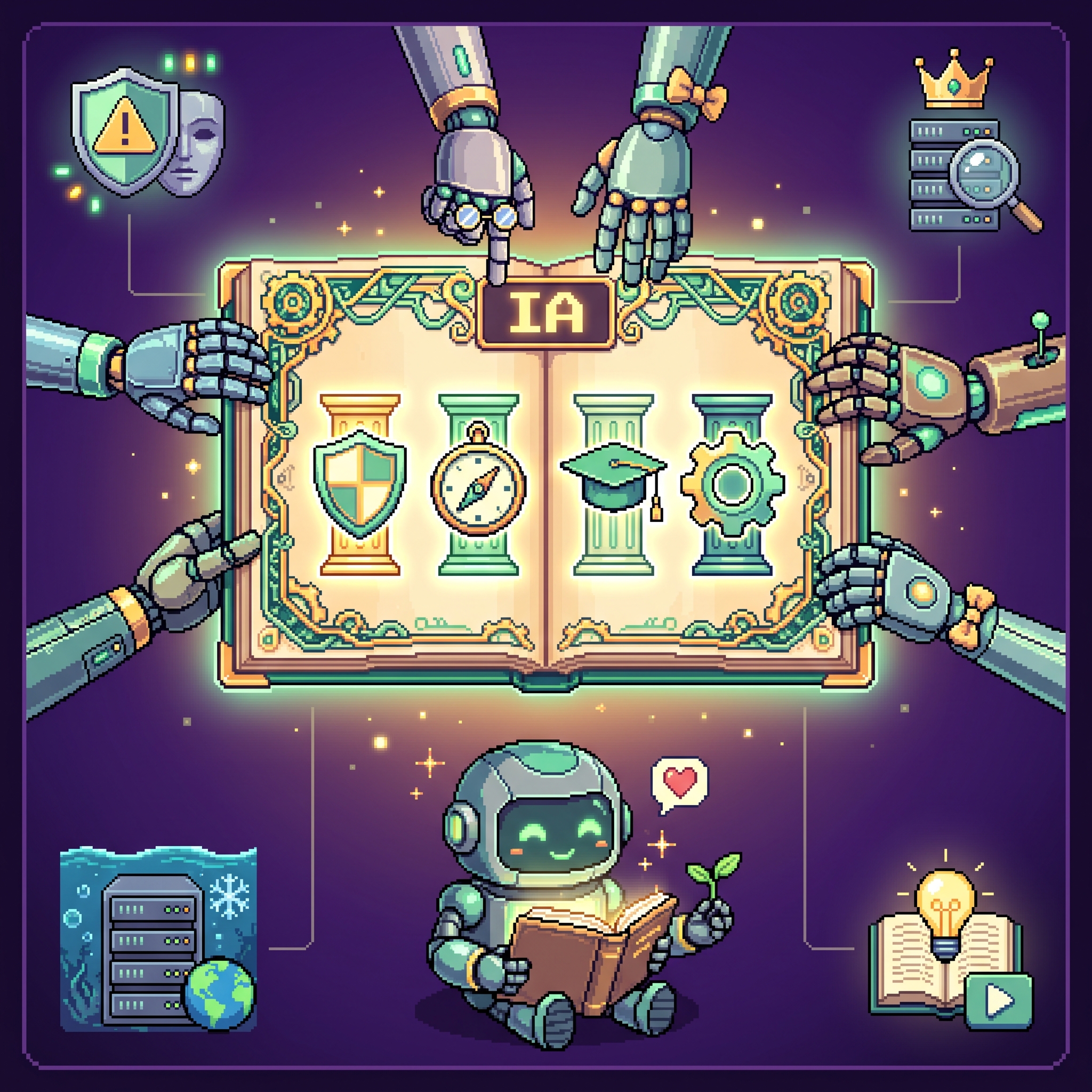
School AI policy and what else is in Radar Pupa issue 34
- Find Pupa at Rio Innovation Week
- China starts cooling AI data centers on the ocean floor
- The author of Empire of AI joins Abraji’s congress in São Paulo
- A rise in sexual deepfakes produced by teenagers alarms families
- UNESCO series offers guidance on digital education with AI
Reading tip
O algoritmo das famílias, by Renata Cafardo (Contexto, 2025). Available in Portuguese.
At Pupa, this topic is part of PUPA EDU, for schools, educators, families and young people.
Read the full issue 34 on Radar Pupa (in Portuguese)
Radar Pupa is José Brito’s weekly newsletter on learning with AI, digital culture and the future of work. Subscription is free.
This post was prepared and reviewed with AI automations by Claude Cowork, based on José Brito’s original issue on Substack.