


 PT
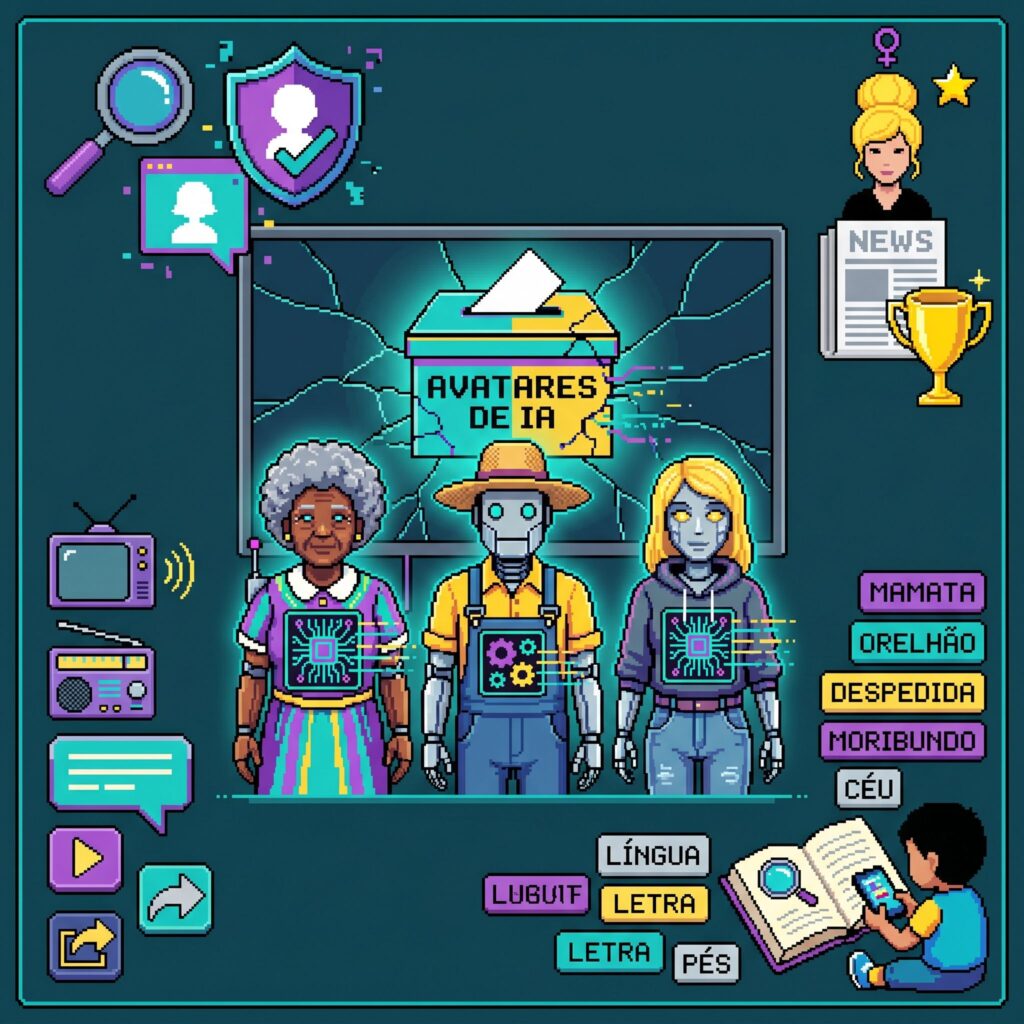
Synthetic avatars are testing political messages and challenging AI oversight. Brazilians are among the populations most exposed to them — and the least equipped to tell the difference, a new study says.
By José Brito, founder of Pupa Educação Digital, professor at the AI Lab of Colégio MOPI and director of JEDUCA, the Brazilian Association of Education Journalists.
Two news stories in O Globo this week caught my eye. The first, by Rafaela Gama, drawing on data from Sonar — A Escuta das Redes (a social-listening initiative), carries a title that sounds straight out of a film or a streaming series: “Avatar Wars.” The second, by Bruno Romani, brings a more revealing data point about what is heading our way in this election year. According to research by Veriff, a tech company specialising in digital identity verification and online fraud prevention, 80% of Brazilians have already come across deepfakes online — well above the international average of 60%. And here is the part that matters most. The concerning figure is not exposure: it is detection. Only 29% can spot when a video is fake, and only 35% correctly recognise a real one.
This difficulty in telling real from synthetic can no longer be put down to inattention. We’re looking at a new phenomenon. Technology is moving fast and, with it, the line between what is real and what is generated keeps blurring. As Andrea Rozenberg, of Veriff, explains, until about two years ago people relied on visual tells — six fingers on one hand, a missing ear, hair glitches, lighting that didn’t add up. Those rough edges are gone.
Quote of the week
“Until about two years ago, people thought they could spot deepfakes because the videos showed people with six fingers, a missing ear, that kind of thing. People got used to those tells — but today they barely exist anymore.”
Andrea Rozenberg — Director for Emerging Markets, Veriff. Quoted in O Globo, May 2026, “AI that fools: Brazilians can’t identify deepfakes despite heavy exposure to synthetic video.”.
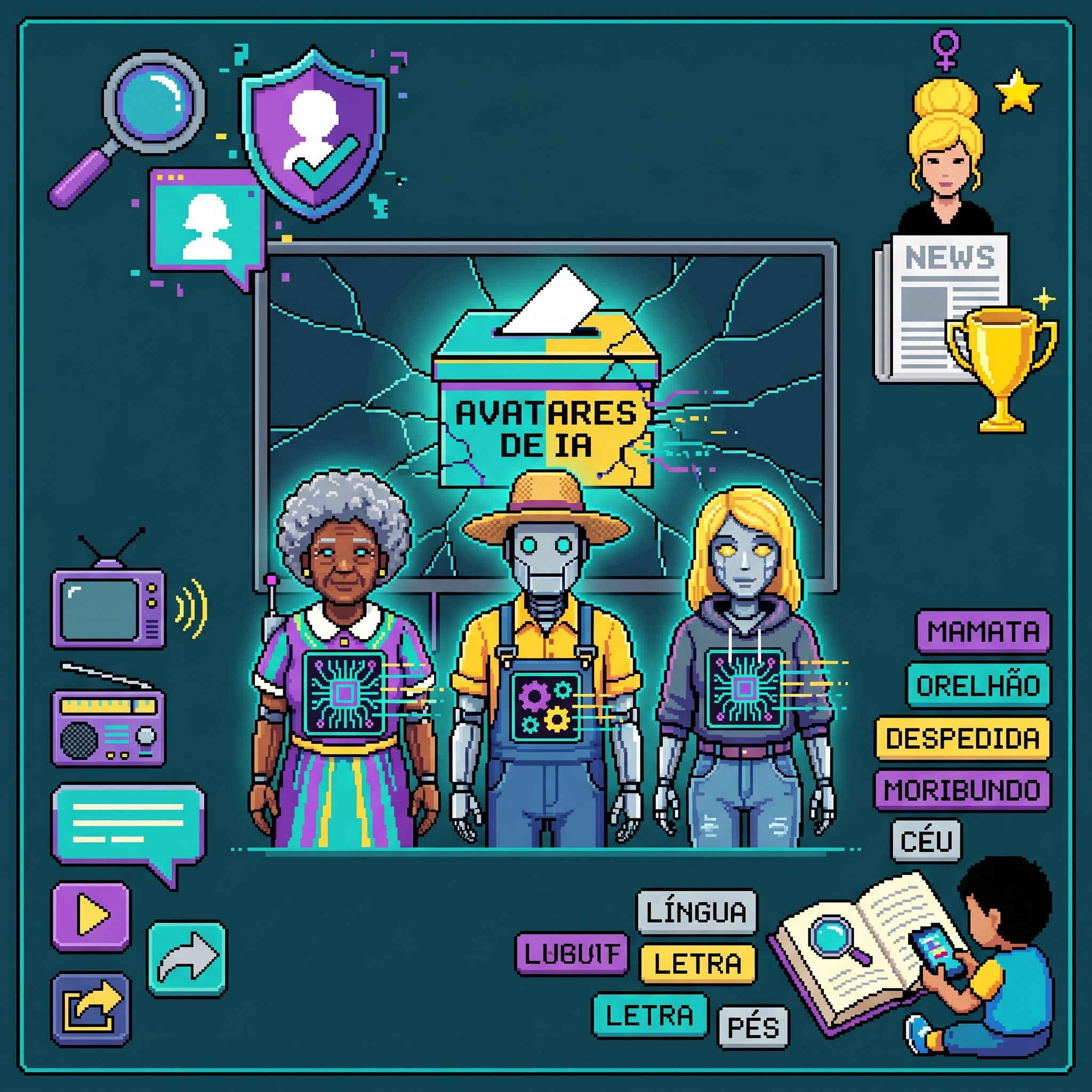
Synthetic avatars and what else is in Radar Pupa issue 28
- Internet overtakes radio and TV as Brazil’s main source of information
- First-of-its-kind OECD study reveals how screens shape the learning of 5-year-olds
- ECA Digital: disinformation, coordinated campaigns and a YouTube rating change mark the law’s first month
- At Bett Show Brazil, experts point to a coming-of-age moment for edtech
- Journalist targeted by Trump wins the 2026 Pulitzer Prize for Public Service
Reading tip
Aos pés da letra, by Gregorio Duvivier (Companhia das Letras, 2026). Available in Portuguese.
At Pupa, this topic is part of PUPA LAB, for brands, territories and events.
Read the full issue 28 on Radar Pupa (in Portuguese)
Radar Pupa is José Brito’s weekly newsletter on learning with AI, digital culture and the future of work. Subscription is free.
This post was prepared and reviewed with AI automations by Claude Cowork, based on José Brito’s original issue on Substack.